
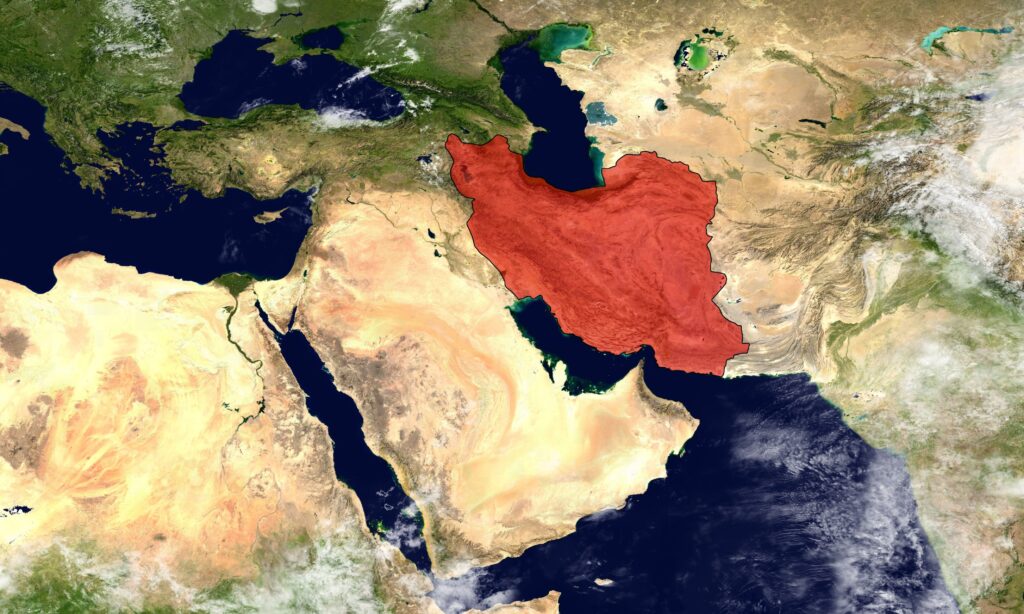
A prolonged military confrontation involving Iran could have far-reaching economic consequences, from rising oil prices and renewed inflation pressures to increased volatility across financial markets.
Recent U.S. and Israeli strikes on Iranian targets, followed by retaliation from Iran across the region, have left many investors wondering what the potential impact could be on the U.S. economy and global markets.
Much will depend on how long the conflict lasts. A brief episode may have limited economic fallout, but an extended confrontation could introduce sustained risks for markets and policymakers alike.
Below are some important considerations for investors.
The Length of the Conflict Is Critical
The duration of the military campaign may be the single most important variable for markets.
President Trump has indicated operations could continue for four to five weeks, but outcomes remain uncertain. If the conflict is resolved quickly, the economic impact could remain contained. However, if tensions persist beyond several weeks, the likelihood increases that oil prices, inflation, and financial market volatility will remain elevated.
Markets can tolerate uncertainty for a short period, but extended geopolitical instability tends to weigh more heavily on investor sentiment.
The Strait of Hormuz Is a Strategic Pressure Point
Iran’s geographic position gives it leverage over the Strait of Hormuz, one of the most important energy shipping routes in the world.
Roughly 20% of global oil and liquefied natural gas supplies pass through this narrow waterway. Any disruption—or even the threat of disruption—could push energy prices higher.
Higher fuel costs can ripple through the economy, raising inflation and potentially reducing consumer spending in the United States.
Oil Supply Shocks Can Quickly Push Inflation Higher
Energy prices play a major role in short-term inflation dynamics.
Research suggests that a 10% increase in oil prices caused by supply disruptions could raise U.S. consumer prices by approximately 0.35% over the following three months.
If elevated oil prices persist, the inflationary effect becomes more pronounced.
A stronger U.S. dollar—often seen as a safe-haven during geopolitical crises—may partially offset some of the inflationary pressure. Still, prolonged instability increases the risk of sustained price increases.
Consumers Typically Feel the Impact With a Delay
Higher oil prices don’t always translate immediately into weaker spending.
When gasoline prices rise, households often temporarily draw down savings, allowing overall spending to remain relatively stable at first.
However, historical analysis suggests that real consumer spending usually starts to decline two to three months after an energy price shock, and the slowdown can last several additional months. The depth of the decline depends largely on how long energy prices remain elevated.
Political Implications Could Influence the Midterm Elections
Cost-of-living concerns are already central to the upcoming U.S. midterm elections, making energy prices a politically sensitive issue.
Public opinion toward the recent strikes appears mixed, with polling suggesting relatively modest approval levels.
If the conflict ends quickly, public attention may shift elsewhere. But if it drags on and keeps fuel prices elevated, affordability concerns could become an even bigger factor shaping voter sentiment.
The Federal Reserve Faces a Difficult Policy Balance
An energy-driven inflation shock puts the Federal Reserve in a challenging position.
Raising interest rates aggressively could help contain inflation, but it could also slow economic growth and weaken employment. Conversely, easing policy to support growth could further fuel inflation pressures.
Because of this trade-off, the Fed may prefer smaller rate adjustments or a temporary pause while monitoring incoming economic data.
Rising Defense Spending Could Expand Fiscal Deficits
Escalating tensions may also translate into higher U.S. defense spending.
The administration has already proposed a defense budget approaching $1.5 trillion, which would represent roughly a 50% increase and push military spending to levels not seen since the Korean War.
Greater federal spending would add to the country’s already large debt and deficits. This could push long-term Treasury yields higher, as investors demand additional compensation for holding government debt under more challenging fiscal conditions.
Higher yields tend to pressure both equity valuations and long-duration bonds.
Market and Portfolio Considerations
Historically, financial markets have often recovered—and even posted gains—during periods of military conflict. For example, equities rose significantly in the months following the start of both Gulf Wars, with defense-related companies leading the advance.
However, persistent geopolitical tensions can keep oil prices elevated and increase market volatility.
More broadly, geopolitical risk is becoming a structural feature of the global investment landscape, rather than an occasional disruption. Investors increasingly must consider a world shaped by regional alliances, strategic competition, and shifting supply chains.
In this environment, areas tied to defense, aerospace, security, and industrial resilience could benefit from sustained government spending and long-term demand.
Iran Conflict: Key Implications for Investors
March 3, 2026
A prolonged military confrontation involving Iran could have far-reaching economic consequences, from rising oil prices and renewed inflation pressures to increased volatility across financial markets.
Recent U.S. and Israeli strikes on Iranian targets, followed by retaliation from Iran across the region, have left many investors wondering what the potential impact could be on the U.S. economy and global markets.
Much will depend on how long the conflict lasts. A brief episode may have limited economic fallout, but an extended confrontation could introduce sustained risks for markets and policymakers alike.
Below are some important considerations for investors.
The Length of the Conflict Is Critical
The duration of the military campaign may be the single most important variable for markets.
President Trump has indicated operations could continue for four to five weeks, but outcomes remain uncertain. If the conflict is resolved quickly, the economic impact could remain contained. However, if tensions persist beyond several weeks, the likelihood increases that oil prices, inflation, and financial market volatility will remain elevated.
Markets can tolerate uncertainty for a short period, but extended geopolitical instability tends to weigh more heavily on investor sentiment.
The Strait of Hormuz Is a Strategic Pressure Point
Iran’s geographic position gives it leverage over the Strait of Hormuz, one of the most important energy shipping routes in the world.
Roughly 20% of global oil and liquefied natural gas supplies pass through this narrow waterway. Any disruption—or even the threat of disruption—could push energy prices higher.
Higher fuel costs can ripple through the economy, raising inflation and potentially reducing consumer spending in the United States.
Oil Supply Shocks Can Quickly Push Inflation Higher
Energy prices play a major role in short-term inflation dynamics.
Research suggests that a 10% increase in oil prices caused by supply disruptions could raise U.S. consumer prices by approximately 0.35% over the following three months.
If elevated oil prices persist, the inflationary effect becomes more pronounced.
A stronger U.S. dollar—often seen as a safe-haven during geopolitical crises—may partially offset some of the inflationary pressure. Still, prolonged instability increases the risk of sustained price increases.
Consumers Typically Feel the Impact With a Delay
Higher oil prices don’t always translate immediately into weaker spending.
When gasoline prices rise, households often temporarily draw down savings, allowing overall spending to remain relatively stable at first.
However, historical analysis suggests that real consumer spending usually starts to decline two to three months after an energy price shock, and the slowdown can last several additional months. The depth of the decline depends largely on how long energy prices remain elevated.
Political Implications Could Influence the Midterm Elections
Cost-of-living concerns are already central to the upcoming U.S. midterm elections, making energy prices a politically sensitive issue.
Public opinion toward the recent strikes appears mixed, with polling suggesting relatively modest approval levels.
If the conflict ends quickly, public attention may shift elsewhere. But if it drags on and keeps fuel prices elevated, affordability concerns could become an even bigger factor shaping voter sentiment.
The Federal Reserve Faces a Difficult Policy Balance
An energy-driven inflation shock puts the Federal Reserve in a challenging position.
Raising interest rates aggressively could help contain inflation, but it could also slow economic growth and weaken employment. Conversely, easing policy to support growth could further fuel inflation pressures.
Because of this trade-off, the Fed may prefer smaller rate adjustments or a temporary pause while monitoring incoming economic data.
Rising Defense Spending Could Expand Fiscal Deficits
Escalating tensions may also translate into higher U.S. defense spending.
The administration has already proposed a defense budget approaching $1.5 trillion, which would represent roughly a 50% increase and push military spending to levels not seen since the Korean War.
Greater federal spending would add to the country’s already large debt and deficits. This could push long-term Treasury yields higher, as investors demand additional compensation for holding government debt under more challenging fiscal conditions.
Higher yields tend to pressure both equity valuations and long-duration bonds.
Market and Portfolio Considerations
Historically, financial markets have often recovered—and even posted gains—during periods of military conflict. For example, equities rose significantly in the months following the start of both Gulf Wars, with defense-related companies leading the advance.
However, persistent geopolitical tensions can keep oil prices elevated and increase market volatility.
More broadly, geopolitical risk is becoming a structural feature of the global investment landscape, rather than an occasional disruption. Investors increasingly must consider a world shaped by regional alliances, strategic competition, and shifting supply chains.
In this environment, areas tied to defense, aerospace, security, and industrial resilience could benefit from sustained government spending and long-term demand.